
Brussels Ends Shared E-Scooter Era
Lime Returns to Mexico City with E-Scooter Pilot, CommuteHub Integrates Spin Micromobility, Specialized Unveils Turbo Levo 4 X, and more...
Fresh rides, bold takeovers, and everything in between. Micromobility Weekly is your pit stop for the industry’s sharpest twists, turns, and takeovers. Come Ride Along!
Hooked but not subscribed? 👀 Now’s the time. You’ll thank yourself later.
Micromobility Europe 2026 may have just wrapped, but the conversation is far from over. Next stop: San Francisco.🇺🇸

On November 11-12, Micromobility America 2026 will bring together the brightest minds in mobility - from founders and operators to investors, policymakers, city leaders, and infrastructure builders - for two days of insights, networking, and industry-defining conversations at the iconic Palace of Fine Arts.
The future of transportation will be in the room. Will you?
Have a breakthrough mobility solution? Showcase your startup at Micromobility America 2026.
Tickets are currently at their lowest price and will only get more expensive as the event draws closer. Grab yours now and join the community shaping the next chapter of mobility.
[Sponsor/Exhibit] | [Speak at the Event] | [Get A Free Pass]
What You Need to Know Today
Driven by Purpose - Maxim Romain, Co-founder & CEO of Dott
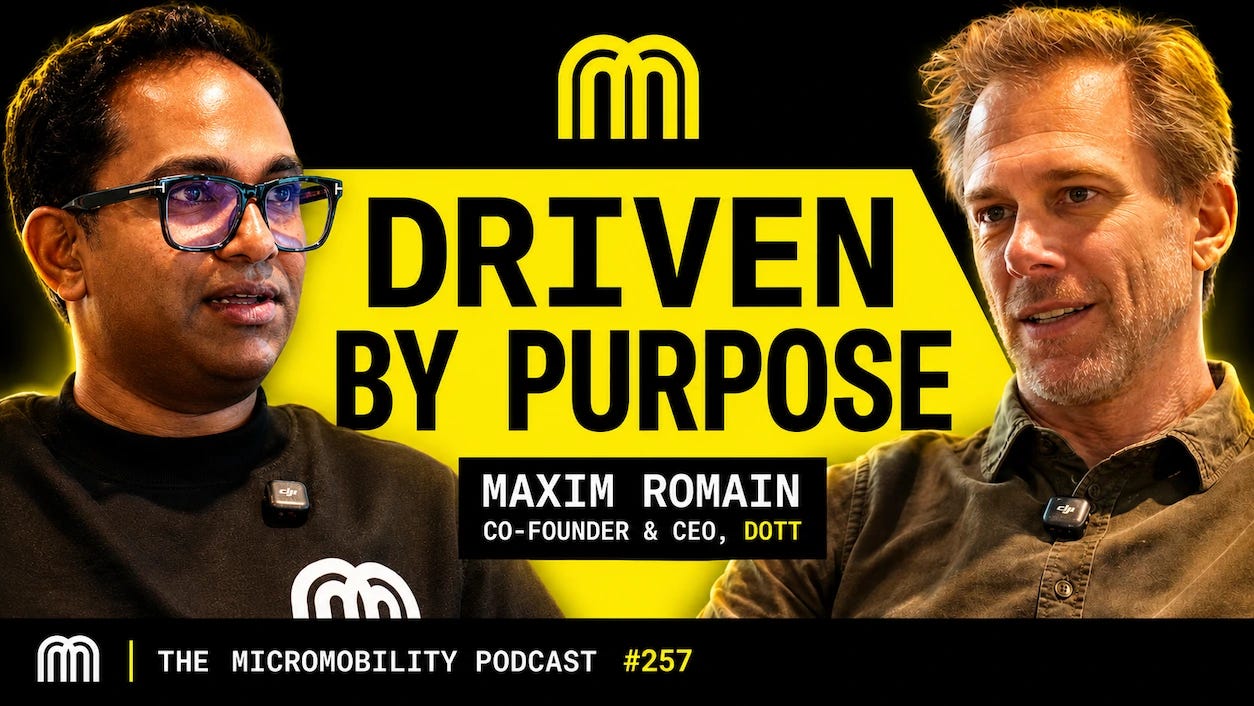
In this episode of the Micromobility Podcast, Prabin Joel Jones speaks with Maxim Romain, Co-founder & CEO of Dott, one of Europe's leading shared micromobility operators. Maxim reflects on Dott's journey from startup to industry leader, discussing the company's mission-driven approach to building urban transportation, and more.
Heads up! Our podcast has a new dock on YouTube, Apple, and Spotify. Make sure to resubscribe so you don’t miss out. Stay Tuned!!!
Brussels Bans Shared E-Scooters from 2027
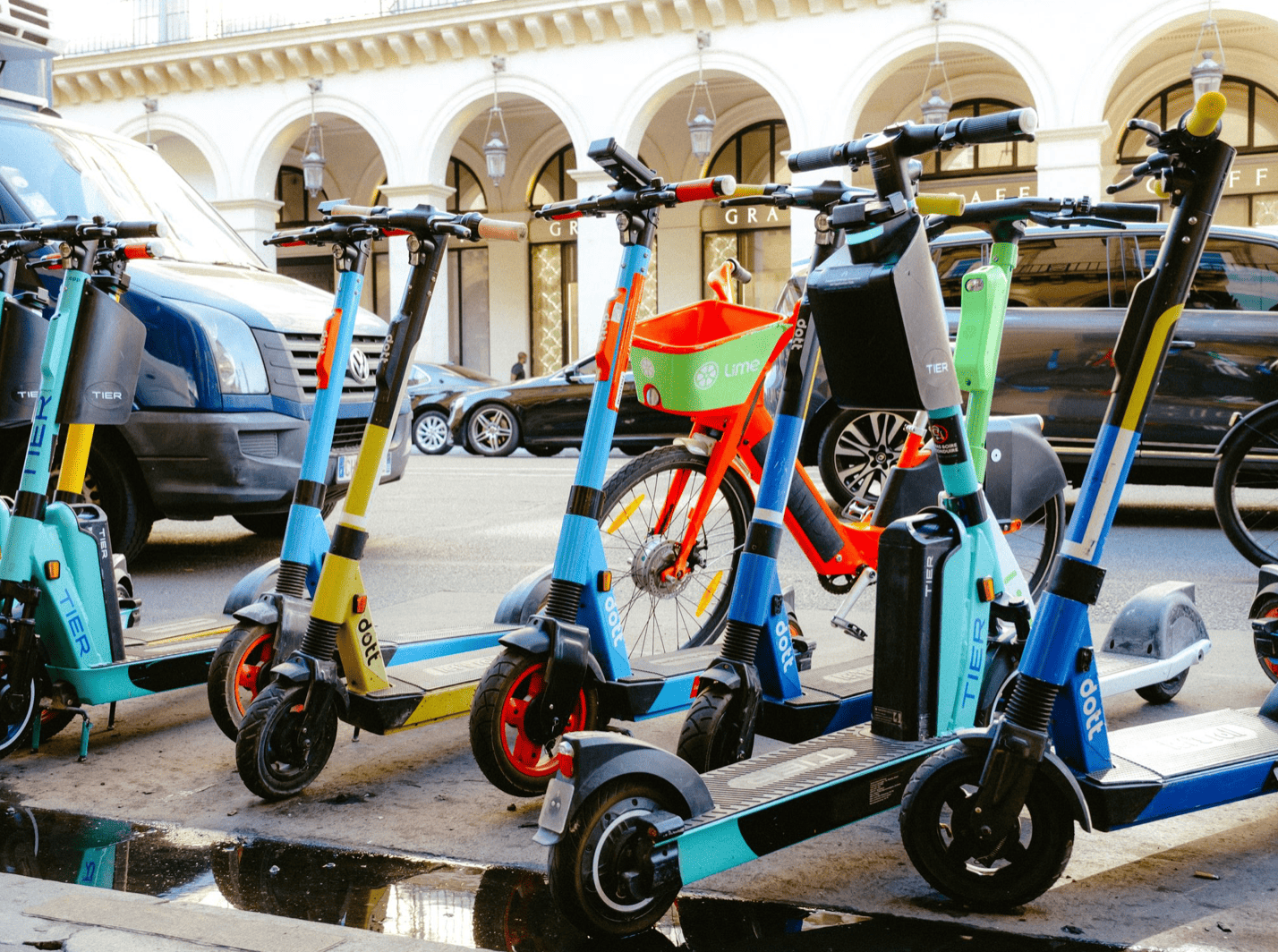
Brussels has announced a ban on shared e-scooters from January 1, 2027, ending a market it helped pioneer in Europe during the early growth of shared micromobility. While shared e-bikes from operators such as Dott, Bolt, and Voi will remain, city officials cited rising accident rates and concerns over criminal misuse as reasons for removing e-scooters. The decision follows a contentious operator tender process and has sparked debate across the micromobility industry, with critics arguing that shared e-scooters play a vital role in reducing car dependency and improving urban mobility. Many fear the move could set a precedent for other European cities evaluating the future of shared micromobility.
Yapıdrom Built Turkey’s Micromobility Sector Before Anyone Was Watching
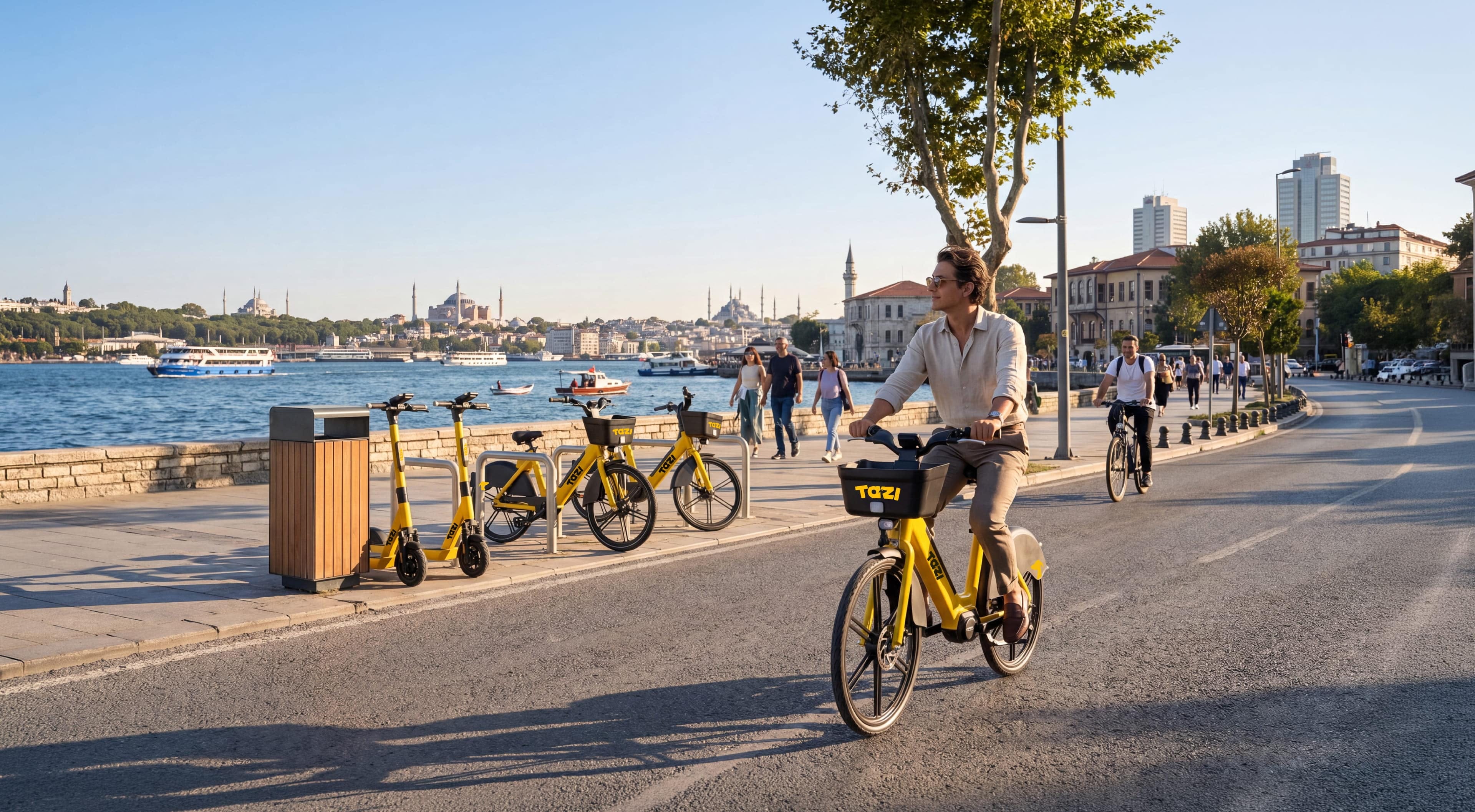
Long before shared e-scooters became mainstream, Yapıdrom was laying the foundations for micromobility in Turkey. Founded in 2011, the company launched some of the country's first smart bike-sharing systems and helped build the infrastructure, software, and operational expertise needed to support urban micromobility at scale. Today, Yapıdrom manages a fleet of 10k+ e-bikes and e-scooters while continuing to develop its own mobility technology, demonstrating how local innovators helped shape Turkey's micromobility ecosystem years before the industry entered the global spotlight.
An Investigation into Global E-Bike Speed Limits

As e-bike adoption continues to grow worldwide, regulations governing assisted speeds remain inconsistent across key markets. In the European Union and China, most e-bikes are limited to 25 km/h, while the United States permits speeds of up to 20 mph (32 km/h) for Class 1 and 2 e-bikes and 28 mph (45 km/h) for Class 3 models. Motor power limits also differ significantly, ranging from 250W in many European countries to 750W in the U.S. These regulatory differences continue to shape product development and market strategies for e-bike manufacturers operating across multiple regions.
CommuteHub Integrates Spin Micromobility
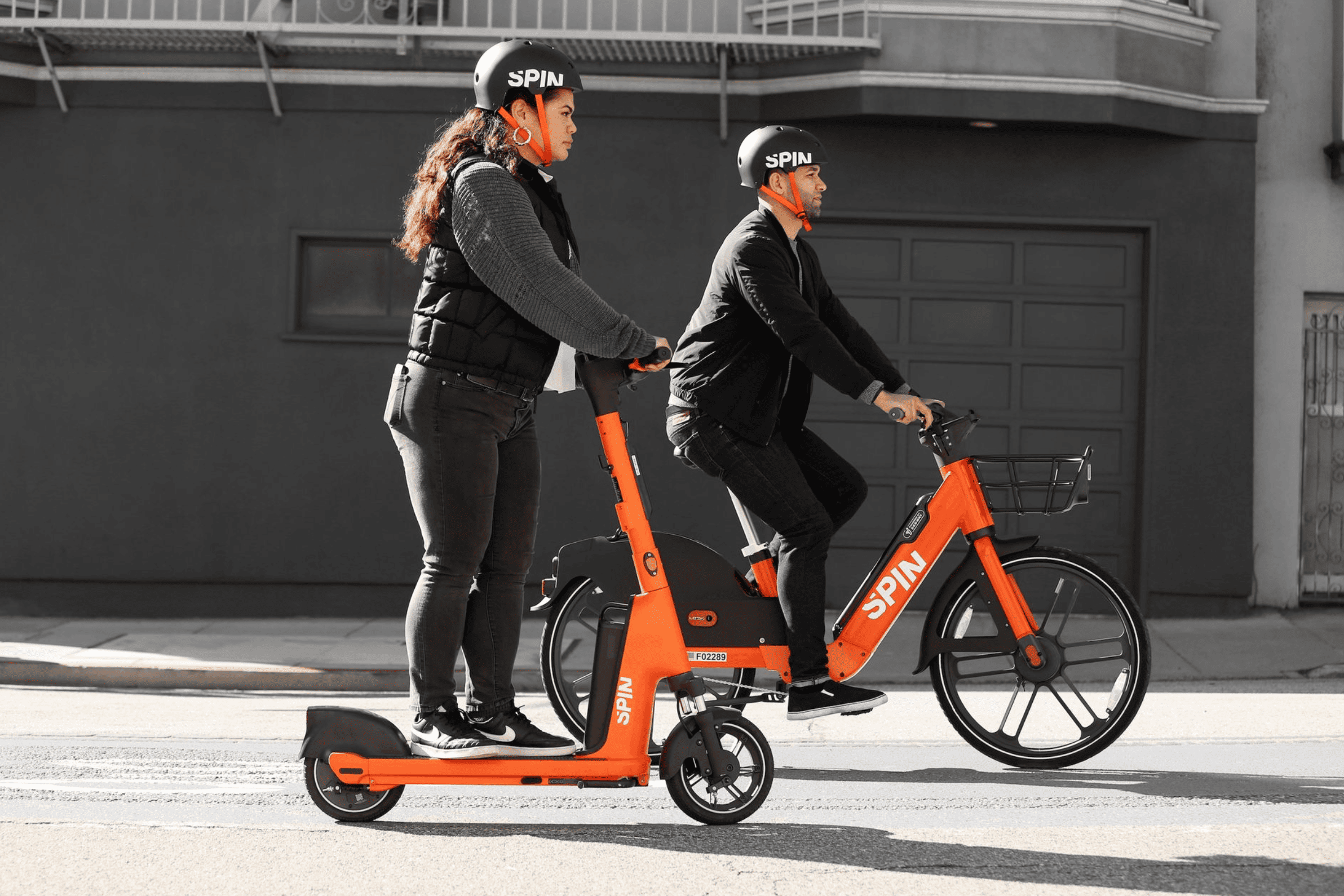
U.S.-based mobility software provider RideAmigos has integrated Spin’s shared e-bike and e-scooter services into its CommuteHub platform, giving commuters access to real-time micromobility options alongside trip planning, parking, and incentive programs. The partnership brings Spin’s network of shared vehicles, operating in more than 200 cities worldwide, to CommuteHub users across 27 U.S. states, helping address first- and last-mile transportation challenges. The integration also enables automatic trip tracking and rewards for sustainable travel choices, further strengthening CommuteHub’s efforts to reduce single-occupancy vehicle use and encourage multimodal commuting.

Cannondale will close its Dutch factory by 2027, cutting 120 jobs amid ongoing challenges in the European micromobility market.
Noblesville has approved new e-bike and scooter regulations, including a 20 mph speed limit on trails and updated safety requirements.
Panama City Beach is gathering community feedback as officials consider new e-bike regulations, including speed limits and restrictions on rider operations.
DeLand police are enforcing micromobility rules, including bans on riding e-bikes and e-scooters on sidewalks and helmet requirements for riders under 18.
Douglas County commissioners are considering new regulations for e-scooters and e-motorbikes, citing rising safety concerns and growing incidents.
Richmond officials are considering shutting down the city’s e-bike share scheme and redirecting funds toward an e-bike lending library and education initiatives.
Bingen and neighboring communities to introduce a grant-funded e-bike library, allowing residents to borrow e-bikes and cargo bikes for free for up to 30 days.
Kingbull has expanded its UL-certified e-bike range, highlighting growing industry focus on battery safety and compliance in the U.S. market.
A series e-bike crashes across Massachusetts in 2026 has intensified concerns over rider safety and renewed calls for stronger regulation and enforcement.
Lime Returns to Mexico City with E-Scooter Pilot
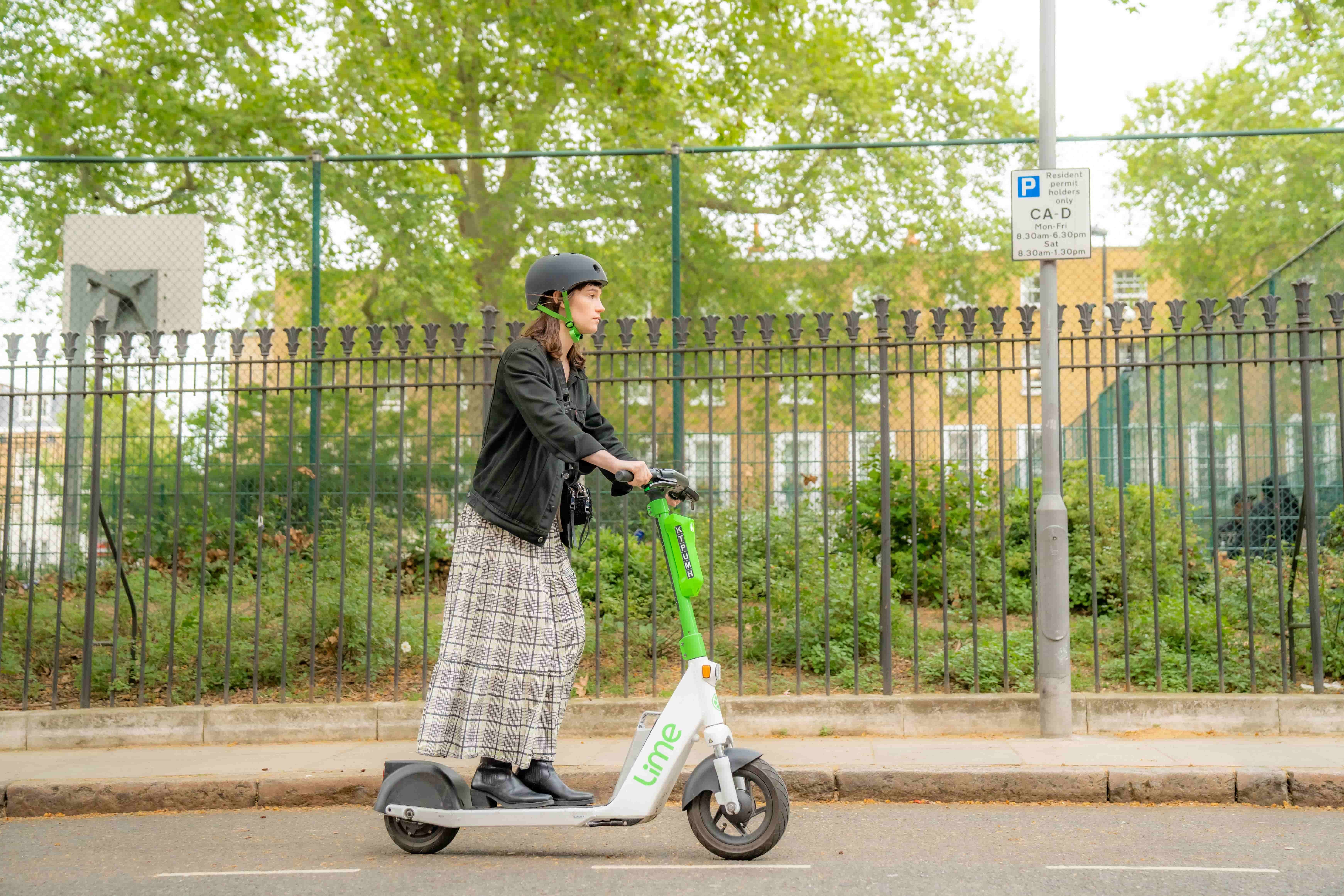
Lime has returned to Mexico City with a 60-day e-scooter pilot program, marking its first operations in the city since 2019. The company will deploy up to 1k e-scooters as part of a regulated trial designed to improve first- and last-mile connectivity ahead of the 2026 FIFA World Cup. The pilot includes designated parking zones, valet parking services, and enhanced safety measures, with city officials set to evaluate the program's impact before deciding on its long-term future.

A 2026 study evaluates micromobility user satisfaction with infrastructure, facilities, and safety in Seksyen 14, Shah Alam, Malaysia. Based on a survey of 161 users, the authors find that micromobility is used primarily for recreation rather than commuting, with respondents expressing low satisfaction with existing infrastructure and safety conditions. The study highlights the need for dedicated micromobility lanes, improved facilities, and better urban planning measures to support wider adoption and create a safer environment for micromobility users.
Full paper: Assessing Micromobility Usage Trends and User Satisfaction Levels in Seksyen 14, Shah Alam, Selangor
Authors: Aqilah Filzah Abdul Jamil, Siti Mazwin Kamaruddin (2026)
A 2025 peer reviewed study explores the environmental sustainability of shared micromobility systems in Ukraine, examining how vehicle design, operations, and lifecycle impacts influence overall emissions. The authors find that while shared e-bikes and e-scooters can offer significant environmental benefits compared with private car travel, their sustainability performance depends heavily on factors such as vehicle lifespan, maintenance operations, and utilization rates.
Full paper: Micromobility Usage in Ukraine: bicycles or e-scooters?
Authors: Mariia Olkhova, Dmytro Roslavtsev, Asya Natapov (2025)
A 2025 peer-reviewed study investigates how the built environment influences shared bicycle ridership across space and time, using multisource urban data from Shenzhen, China. The authors find that factors drawn from the "5Ds" dimensions of the built environment, density, diversity, design, destination accessibility, and distance to transit, have significant but spatially and temporally varying effects on bike-sharing demand. The study highlights the importance of place-specific planning strategies when designing infrastructure to support shared micromobility systems.
Authors: Na Li, Tianqun Wang (2025)
Lemmo Unveils AI-Powered Collab.Ride E-Bike
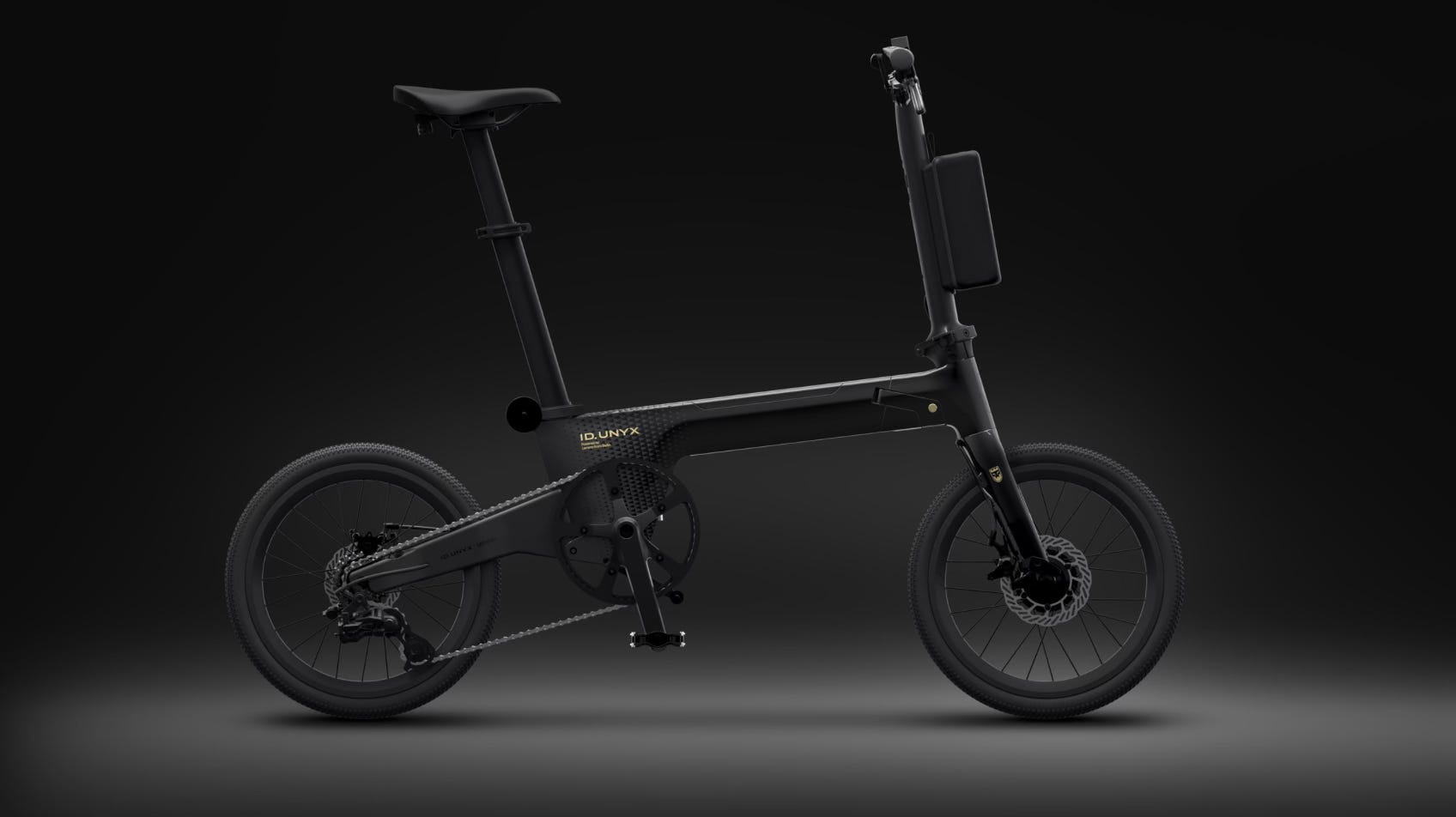
Berlin-based e-bike manufacturer Lemmo has introduced the Lemmo One Collab.Ride, a smart urban e-bike designed to adapt to riders’ habits through AI-powered software and automatic gear shifting. The bike features a 531 Wh removable battery, a rear hub motor delivering up to 52 Nm of torque (63 Nm on higher-end models), and a connected architecture that integrates motor control, battery management, GPS tracking, theft protection, and electronic shifting. Weighing from around 18 kg and offering a claimed range of up to 100 km, the Collab.Ride is aimed at urban commuters and frequent travelers seeking a lightweight, versatile e-bike that can also be ridden without motor assistance
Specialized Unveils Turbo Levo 4 X
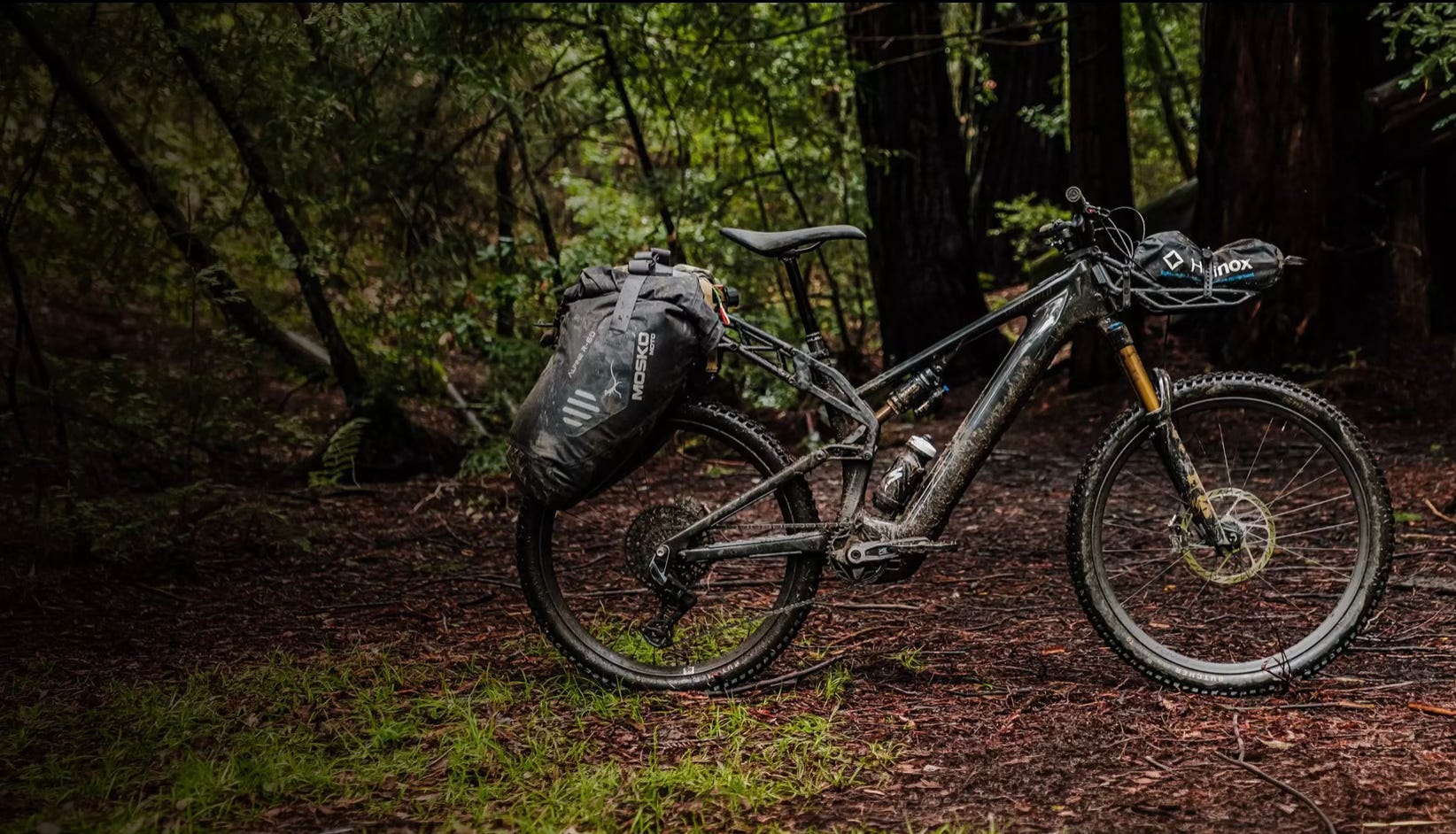
California-based bicycle manufacturer Specialized has unveiled the Turbo Levo 4 X, a new full-suspension “Electric Overland” e-bike designed for off-road adventures and cargo hauling. Built on the company’s latest Turbo Levo 4 platform, the bike features an 850W mid-drive motor delivering up to 111 Nm of torque, an 840 Wh battery, and 160 mm/150 mm front and rear suspension travel. Integrated front and rear racks provide a cargo capacity of up to 22 kg, enabling riders to carry gear on extended backcountry trips while retaining the performance and handling of a premium electric mountain bike.
In Memoriam: Riley O’Neil

Chicago lost one of its own last week. Riley O’Neil, a Complete Streets Planner at the Chicago Department of Transportation, was killed while cycling in a paint-only bike lane on Halsted Street after a driver opened a car door into his path. He was 35. Riley spent years quietly making Chicago better, overhauling the city’s bike parking programme, improving school safety zones, and leading bus priority projects. On Monday, June 9, hundreds of riders gathered for a memorial ride and die-in at the crash site, lying in silence on the street where he died. “Chicago’s a better place because Riley was here,” said David Powe, CDOT Complete Streets Manager. “His fingerprints are all over the city. In the bike racks people use every day, especially the Riley Racks.” Chicago’s bike racks will now be known as Riley Racks in his memory. Rest easy, Riley.
Megamo Launches High-Power Along Electric Gravel Bike
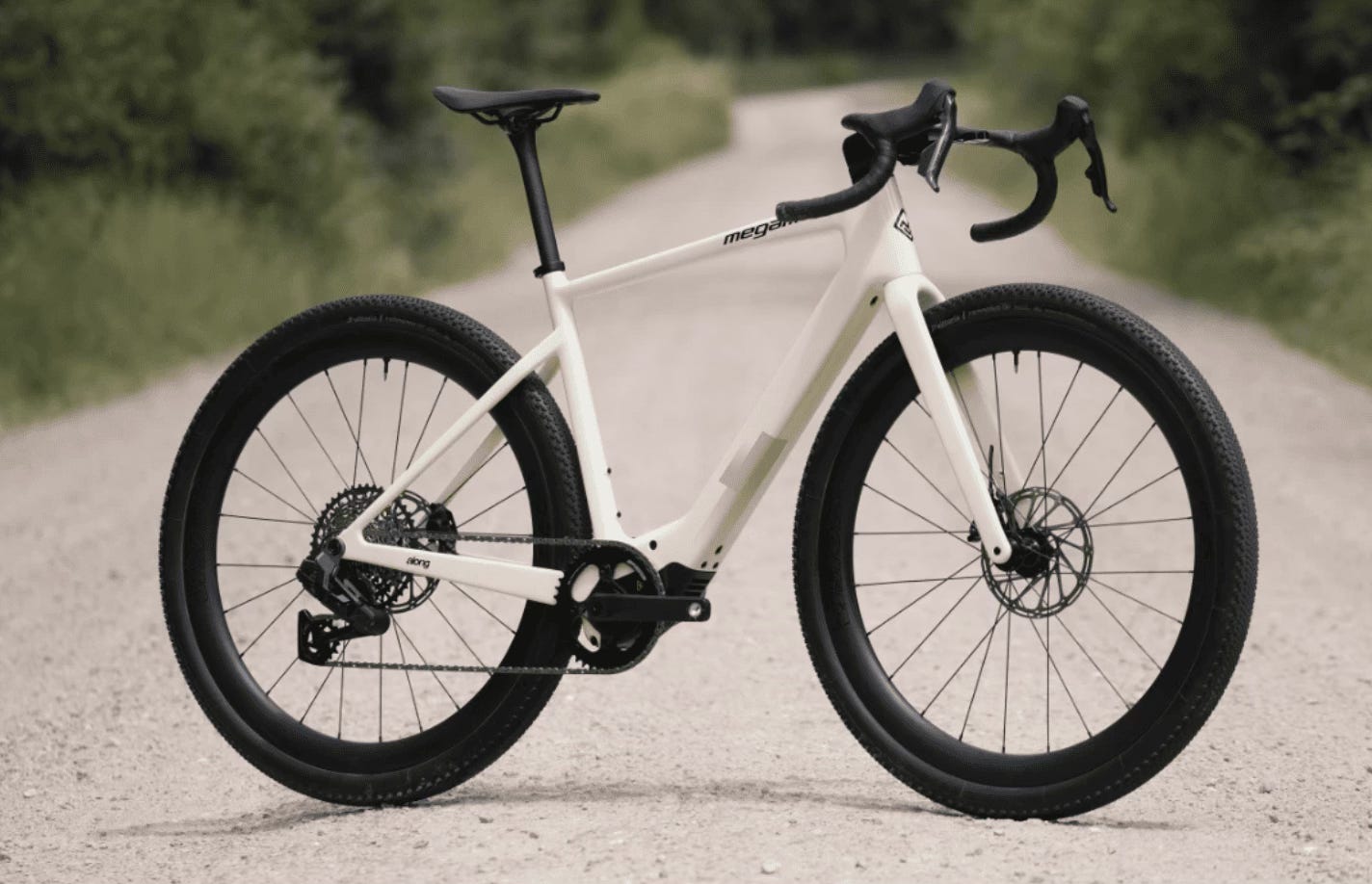
Spanish bicycle manufacturer Megamo has introduced the Along, a new electric gravel bike powered by DJI’s Avinox M2S motor system. Designed for adventure and mixed-surface riding, the Along delivers up to 1.3kW of peak power and 130Nm of torque, paired with a 600Wh integrated battery and clearance for 50 mm gravel tires. The carbon-framed e-bike is available in five configurations, with prices ranging from £3,699 to £7,999, and includes features such as customizable assist modes, integrated cockpit options, and a suspension fork on the flagship model.
Galvbike Rides Growing Agritech Demand
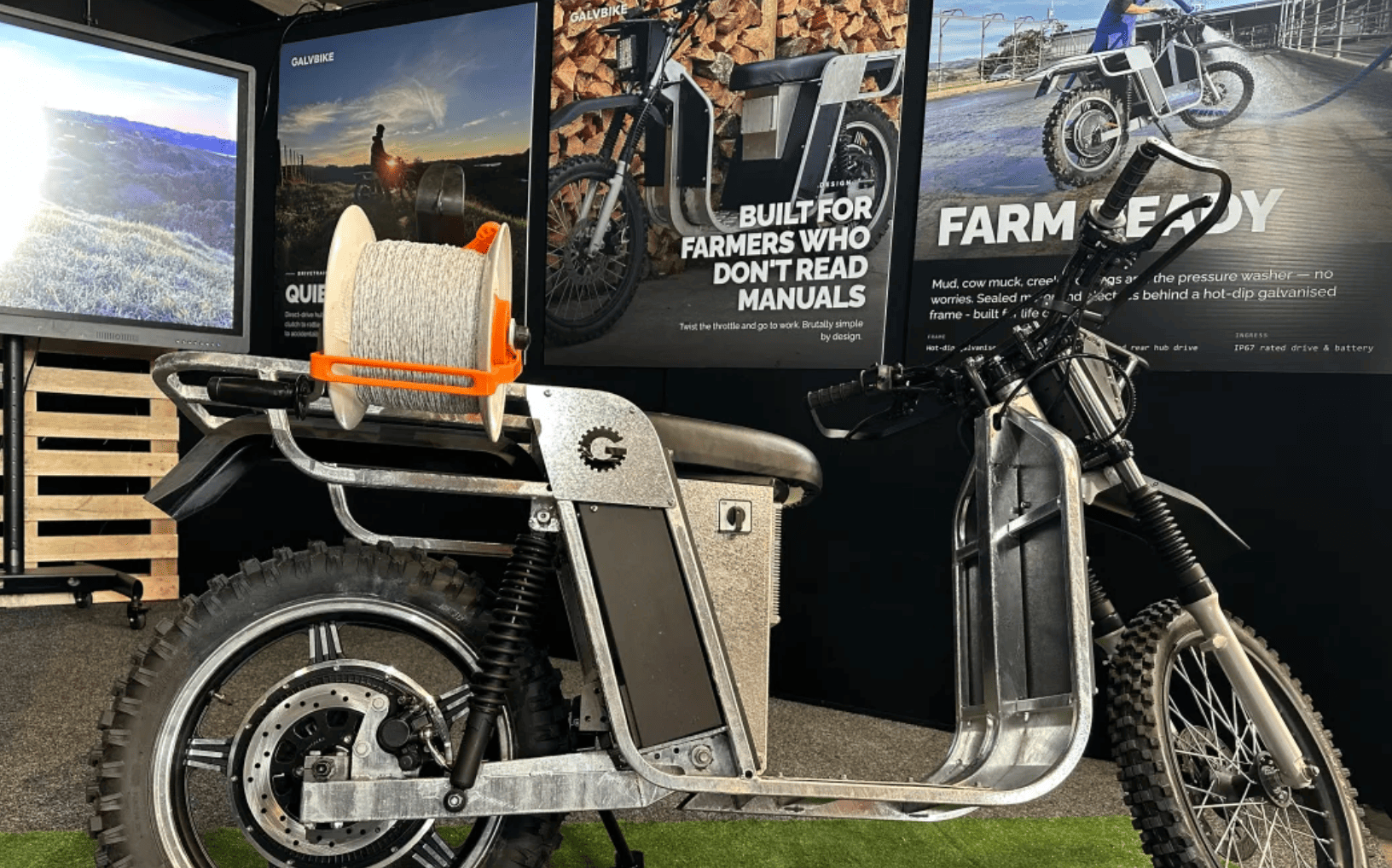
New Zealand-based electric farm bike manufacturer Galvbike showcased its purpose-built agricultural e-bike at Fieldays 2026, highlighting the growing role of electrification in farming. Designed specifically for dairy and horticulture operations, the bike features a 3.5 kWh lithium iron phosphate (LFP) battery, a galvanised steel frame, and a step-through design optimized for carrying tools and equipment. Galvbike plans to release its first batch of 100 units following Fieldays, targeting farmers seeking a lower-maintenance alternative to conventional farm vehicles while reducing operating costs and emissions.

Your Ultimate Guide to Bike Locks in 2026
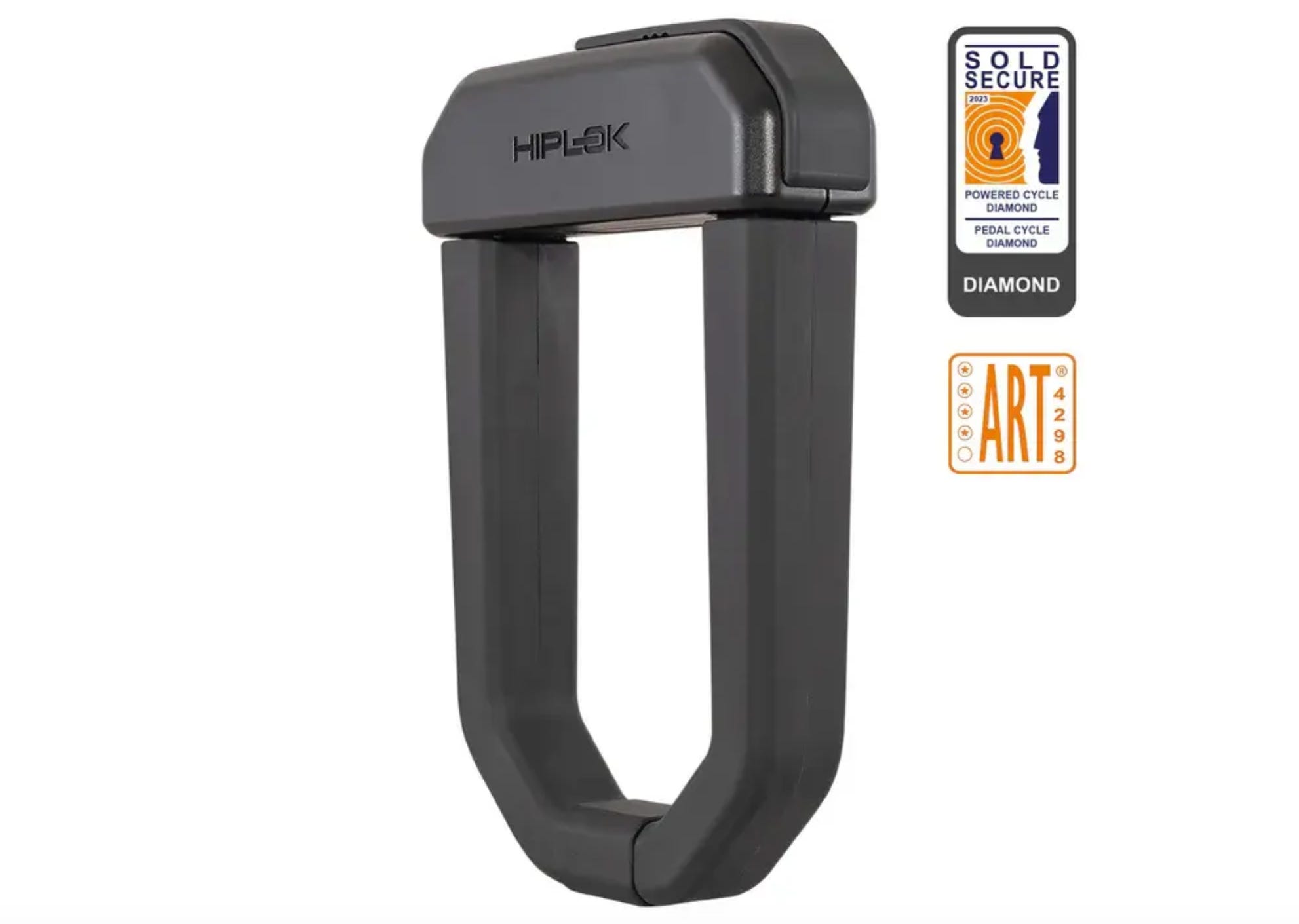
The 2026 RideReview guide to bike security highlights the growing importance of high-quality locks as bike and e-bike theft rates continue to rise. It is recommended to use Sold Secure Gold or Diamond-rated locks, securing the frame to a fixed object, and combining multiple locking methods for added protection. It also notes the increasing popularity of angle-grinder-resistant locks, which offer significantly improved security for high-value bikes and e-bikes.
What’s the best cargo e-bike in 2026?
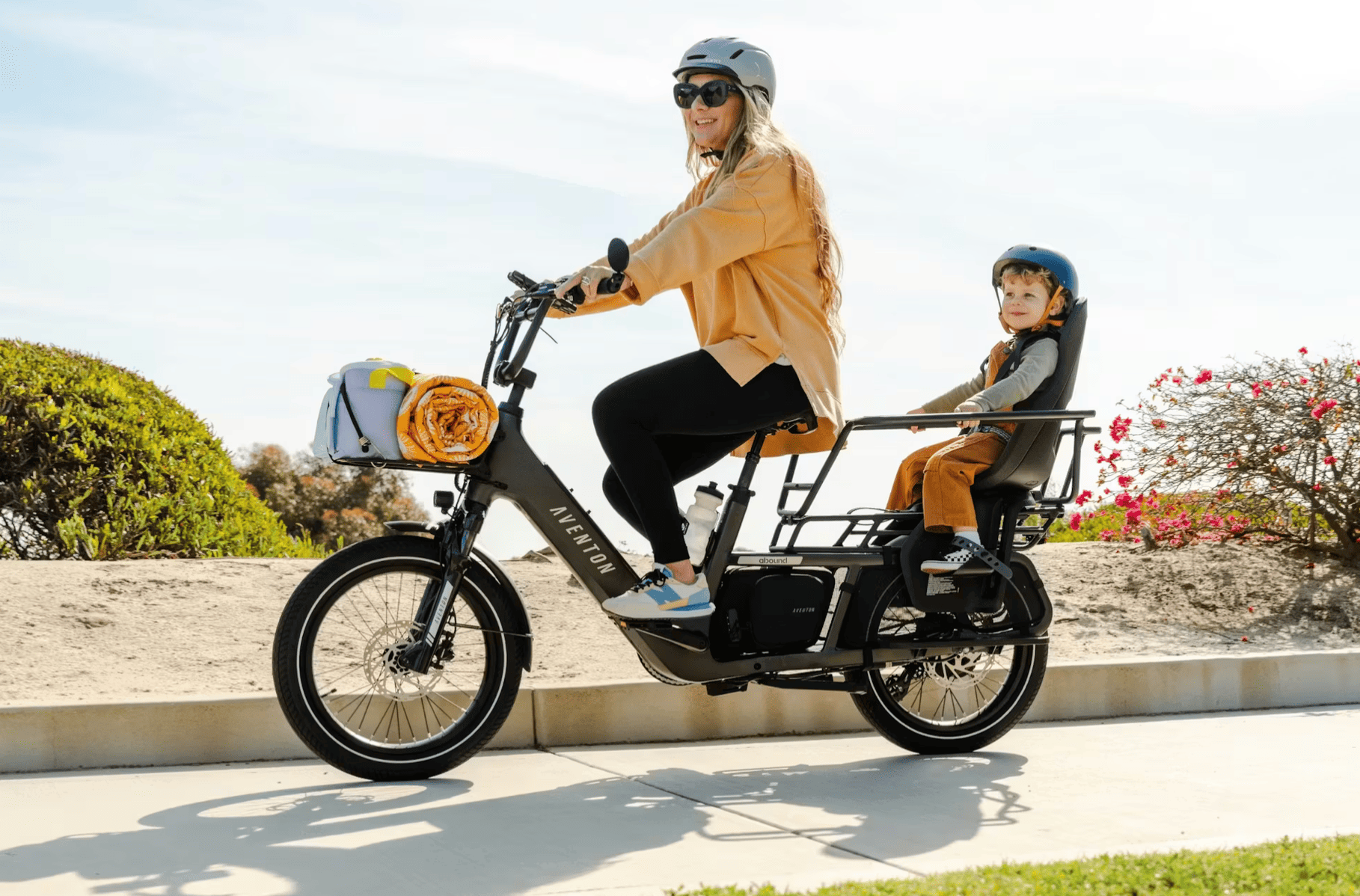
A review of the best cargo e-bikes of 2026 highlights the Aventon Abound and Tern GSD series as the standout models for riders seeking utility, range, and carrying capacity. The Aventon Abound LR and SR offer a more affordable option, priced from £1,400–£1,500 ($1,899–$1,999), with a 750W motor, 200 kg (440 lb) payload capacity, and a range of up to 100 km (60 miles) per charge. At the premium end, the Tern GSD P10 and S10 feature Bosch Cargo Line motors, ranges of up to 200 km, and the ability to carry two adults or an adult and two children, making them among the most versatile cargo e-bikes on the market.
Hey! Want to collaborate on an article or a deep dive?
Write to us at hello@micromobility.io - we’ve got a reach of 80k+ subscribers ready to read you.
Get yourself out there, grab ad slots that actually get noticed, and be seen by people who care.
Got your micromobility moment to share? Email us at press@micromobility.io
Loving the vibe? Hop on and ride with us! Subscribe!